
 |
Depth to Plant
|
Spacing Between Plants |
Days to Germinate (Sprout)
|
Germination
|
Best Season to Plant_________ |
Sun
|
Soil
|
Good Plant Companions |
Days to Maturity
|
| 1/2" Deep | 36-60" Apart | 2-7 days | Between 70° F and 90° F | Spring | Part shade, full sun | Warm | Alfalfa and corn | 70 |
Growing lemongrass from seed is one of the most rewarding gardening projects you can undertake. Not only do you get a fresh supply of this aromatic herb for cooking and tea, but watching it grow from tiny seeds is incredibly satisfying. Let's walk through everything you need to know to get your lemongrass thriving.
Starting Your Seeds Indoors
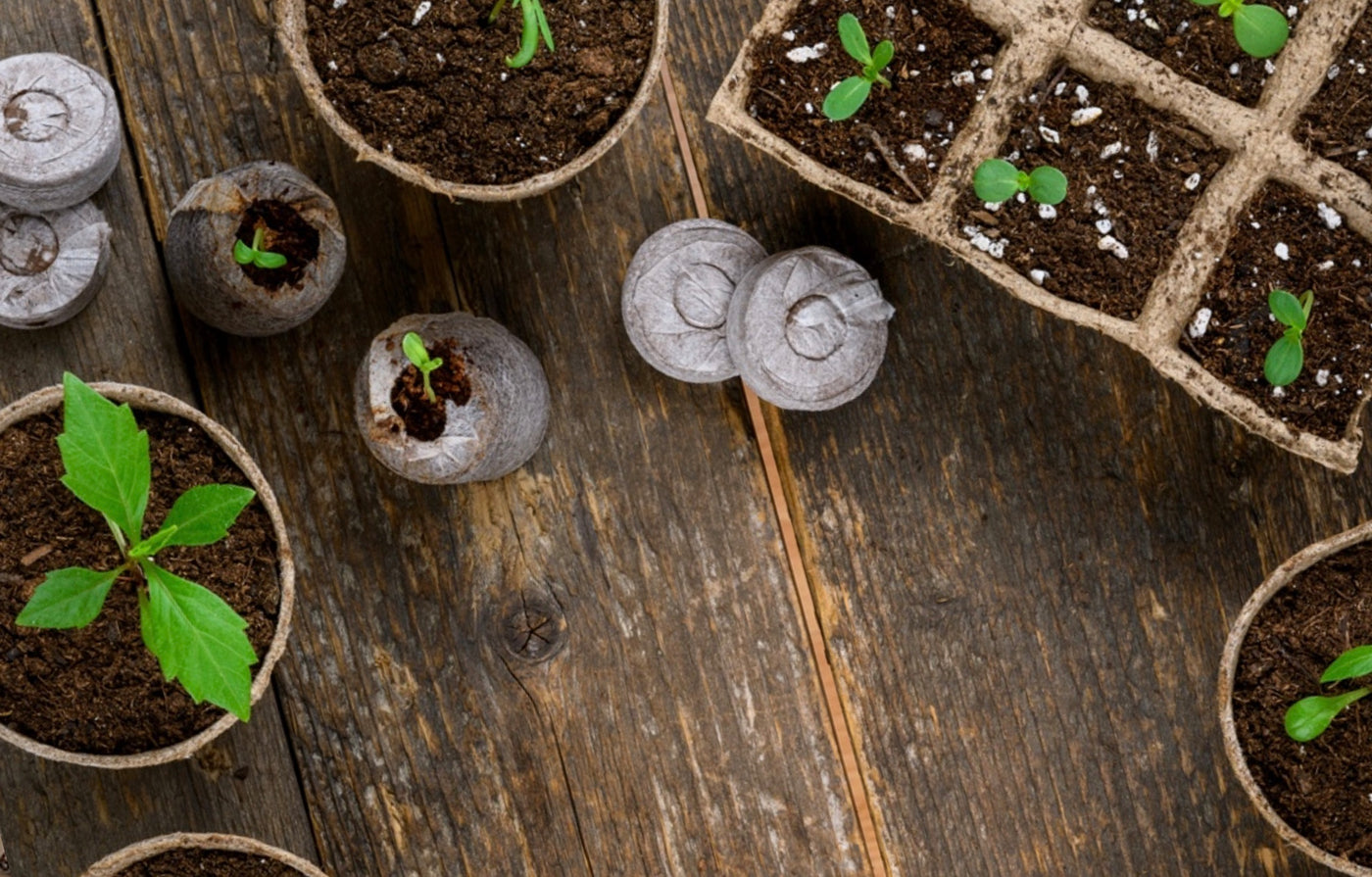
Lemongrass seeds need warmth and moisture to germinate, so starting them indoors gives you the best chance of success. Begin about 6-8 weeks before your last spring frost. Fill seed trays or small pots with seed-starting mix—this light, fluffy medium drains well while retaining moisture. Sprinkle your lemongrass seeds across the surface and press them gently into the soil, but don't bury them completely. These seeds need light to germinate, so just a light dusting of soil or a thin layer of sand will do.
Mist the soil with water until it's evenly moist. Cover your trays with a humidity dome or plastic wrap to maintain moisture, then place them in a warm spot. Lemongrass seeds germinate best at temperatures between 70-80°F. A heat mat underneath your seed tray can speed up germination. You should see sprouts within 1-2 weeks, though sometimes it takes a bit longer—patience pays off here.
Caring for Seedlings
Once your seedlings emerge, remove the humidity dome and move the trays to a bright location with plenty of light. A sunny windowsill or grow light works well. Keep the soil consistently moist but not waterlogged—think of it like a wrung-out sponge. Water when the top of the soil feels dry to the touch.
When your seedlings have developed their first true leaves and are about 2-3 inches tall, thin them out or transplant them into individual small pots. This gives each plant room to develop a stronger root system. Continue to provide bright light and keep the soil evenly moist as they grow.
Hardening Off and Transplanting Outdoors
About a week or two before your last frost date, begin the hardening-off process. This means gradually exposing your seedlings to outdoor conditions. Start by placing them outside in a sheltered spot for just an hour or two, then gradually increase their outdoor time over 7-10 days. This helps them adjust to wind, direct sun, and outdoor temperatures.
When it's time to plant them in the garden, choose a location with full sun—lemongrass loves sunlight and needs at least 6-8 hours daily. Space plants about 12-18 inches apart. Work some compost or aged manure into the soil before planting to improve drainage and add nutrients. Plant them at the same depth they were growing in their containers.
Growing and Maintenance
Lemongrass thrives in warm weather and well-draining soil. Water regularly, especially during dry spells, but allow the soil to dry slightly between waterings. Overwatering can cause root rot, so good drainage is essential. A layer of mulch around the base of your plants helps retain moisture and keeps roots cool.
Once your plants are established, they're fairly low-maintenance. They don't need heavy feeding, but a balanced fertilizer applied once or twice during the growing season supports healthy growth. In cooler climates, lemongrass is often grown as an annual, but in warmer zones it can return year after year.
Harvesting Your Lemongrass
You can begin harvesting lemongrass once the plants are established and have multiple shoots, typically about 3-4 months after planting. Harvest the outer stems by cutting them close to the base. The white and light green parts at the base are the most flavorful and tender. Regular harvesting actually encourages bushier growth, so don't be shy about cutting what you need.
Growing lemongrass from seed takes a bit of time and attention early on, but the payoff is worth it. You'll have a fragrant, productive plant that brings the flavor of tropical gardens right to your home.
In Summary
| How to Grow & Harvest Lemon Grass |
|
When to Plant Germinating lemon grass is easy but does require slightly warmer soil temps. than many of the other herbs you may be familiar with. Starting your seeds indoors is recommended.
Choose a location that has full sun and rich, moist, and loamy soil. You can plant lemon grass in sandy soil, but this will require more consistent watering. Use plenty of mulch.
When to Harvest The long, grassy leaves should be collected by snipping them off with scissors anywhere from mid summer on. |